

Fareham Men's Shed Menu
Facebook logo FMS logo eBay logo

An extremely well written piece about the place of men's sheds in the modern world from the Edmonton Shed in Canada.

It would seem that we are the same the world over.

The Power of Place: Lessons from Men’s Sheds

By jilljavet / February 2, 2026
Insights gathered by Michael Hoyt, Edmonton-based Shed leader and former social worker.

When we talk about men’s health, the conversation often starts with concern: men are hard to reach, reluctant to talk, resistant to help, or disengaged from formal services. The underlying question tends to be: How do we get men to participate?
New data gathered from Men’s Sheds in Edmonton suggests that we might be asking the wrong question. Perhaps a more useful one is: What happens when men are given a place, rather than a program?

Men Don’t Avoid Well-Being — They Avoid Being “Managed”

Nearly 300 men responded to a simple Men’s Shed sign-up survey. They weren’t signing up for a health intervention or a structured program. They were expressing interest in a community space, a place where they could connect on their own terms.
When asked about interests, many mentioned health-related themes: mental well-being, aging, physical activity, sleep, meaning, and coping. But what stands out is how they wanted to engage. They weren’t looking for services—they were looking for entry points:
“A practical activity, a shared purpose, a conversation at their own pace, and a low-pressure connection.”
This distinction is subtle, but important. It’s not that men avoid well-being—they avoid being managed. And this insight has real implications for policy and funding decisions.

Place Matters More Than Programming

Men’s Sheds work differently from most funded community initiatives. They don’t start with outcomes, diagnoses, or behaviour-change goals. Instead, they create the conditions where positive outcomes naturally emerge:

  • Easy entry
  • Shared activity
  • Voluntary participation
  • Dignity and usefulness
  • Time to build trust
This is a deliberate choice. Men’s Sheds operate on the principle that people are not problems to be fixed, but participants to be trusted.
“Men’s Sheds work not because they persuade people to change, but because they trust people enough to show up as they are.”

Health by Stealth Is Respect, Not Avoidance

Men’s Sheds are often described as practicing “health by stealth.” It’s easy to misunderstand this as avoidance, but in reality, it’s about respect. Health conversations happen, but they are:

  • Grounded in lived experience
  • Peer-led rather than expert-driven
  • Optional rather than required
  • Embedded in everyday life
For many older men, well-being is inseparable from identity, contribution, and belonging. Addressing health without attending to these elements is rarely effective.

Invest in Conditions, Not Compliance

The data suggests that we don’t need more targeted messaging or narrowly defined programs. What we need are community spaces that allow people to arrive on their own terms.
For funders and policy makers, this could mean:

    >
  • Shifting from “engagement strategies” to low-barrier access
  • Focusing on enabling conditions rather than prescribed outcomes
  • Supporting community infrastructure alongside service delivery
Men’s Sheds are not a replacement for clinical or social services. They are a complement—strengthening social connections upstream, quietly and effectively, so that formal supports become more accessible when needed.

A Values-Based Conclusion

The Edmonton data shows what men recognize, not what they lack. People gravitate toward places where:

  • They are not reduced to a problem
  • Their experience is taken seriously
  • Contribution is valued
  • Connection is allowed to grow naturally
Sometimes, the most effective intervention isn’t a program at all. It’s a place that doesn’t look like an intervention—but gives people room to show up, be themselves, and connect.
https://mensshedscanada.ca/

Be Active

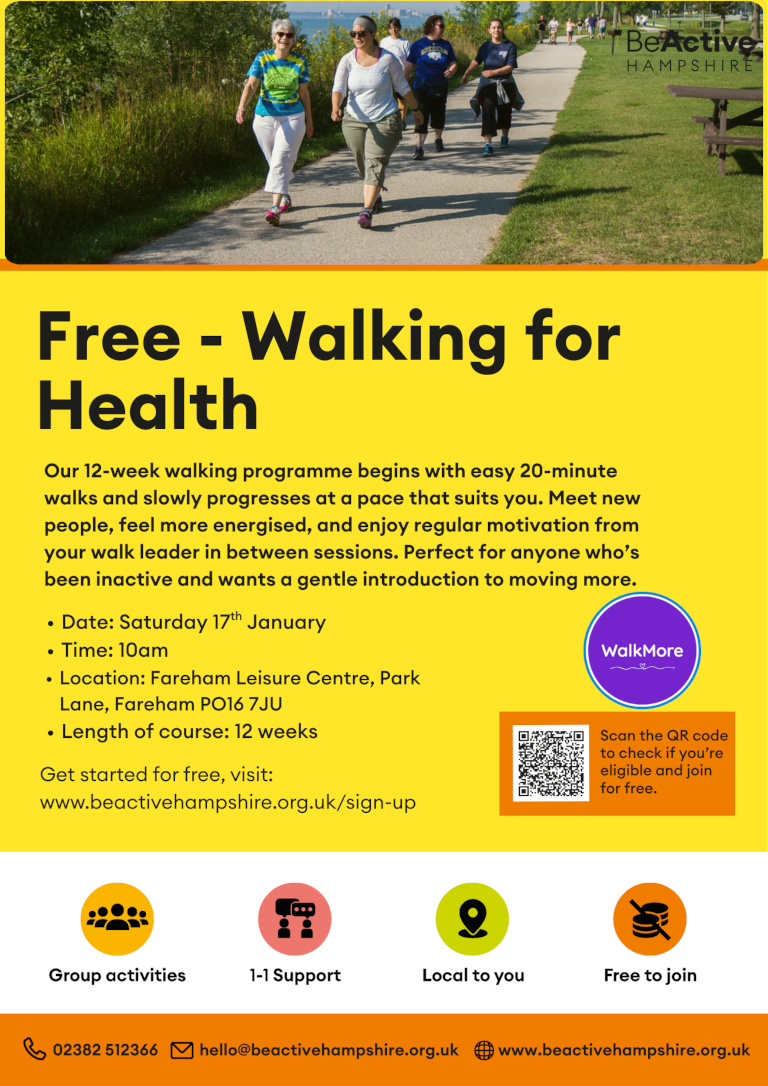
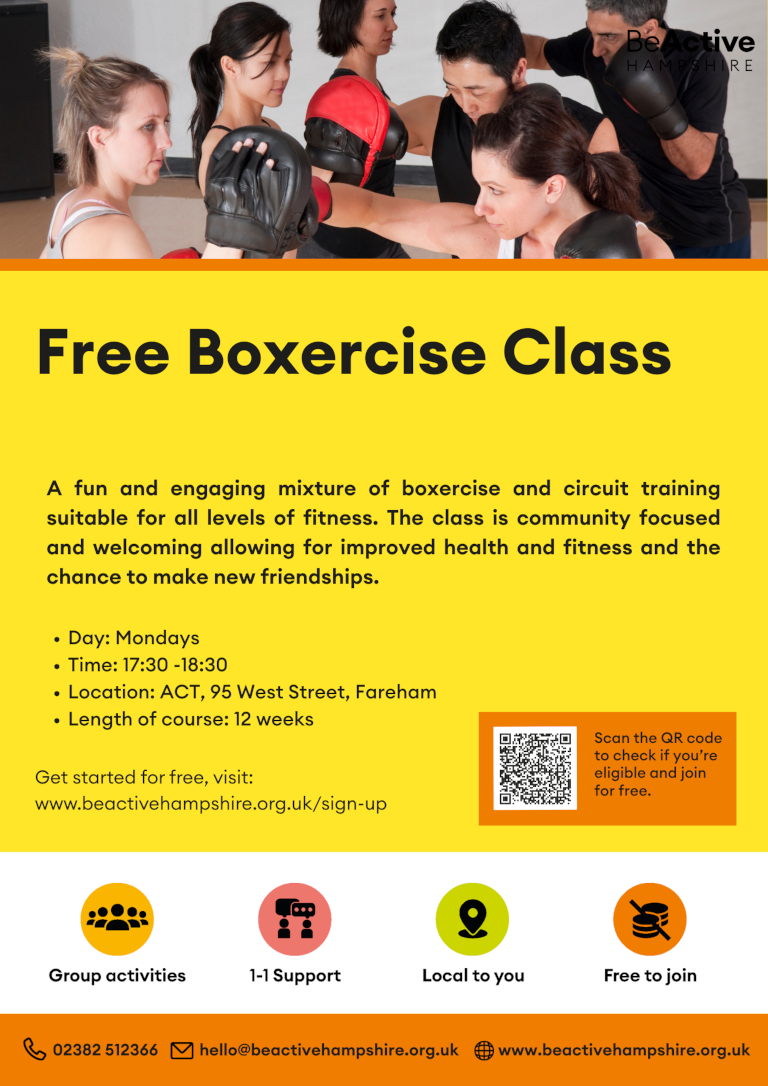
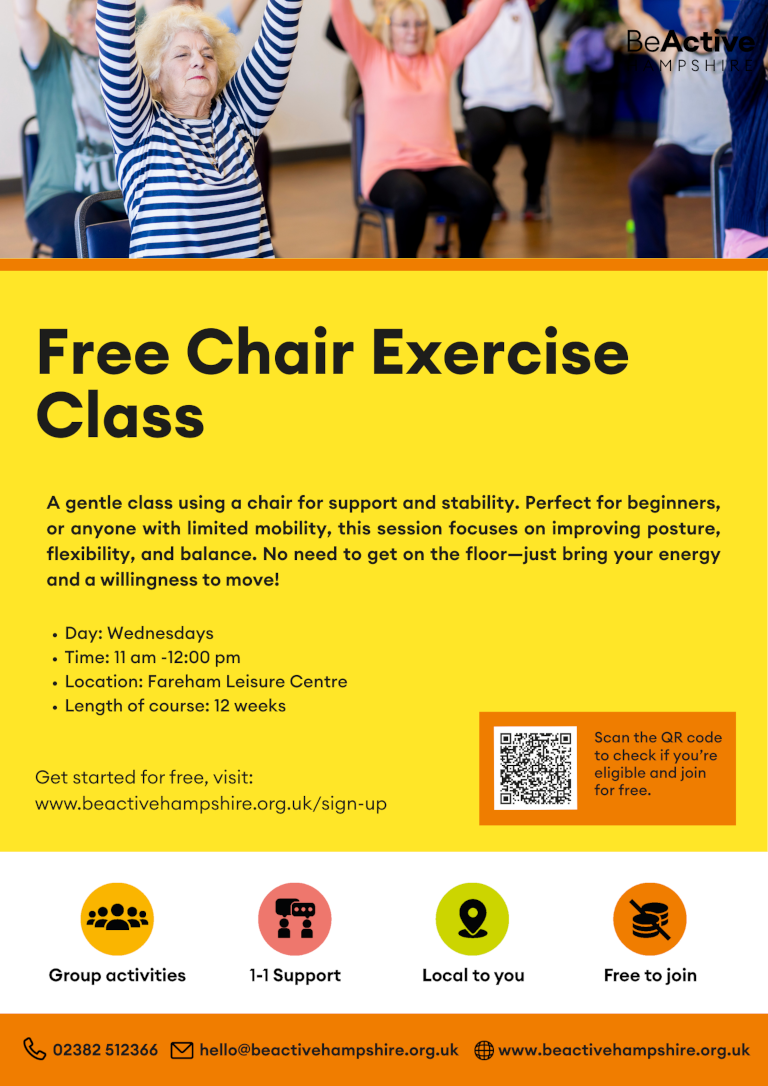
I am sure that by just being a member of The Shed is helping your mental prowess, but what about the physical side of things? It's all too easy top slob out in front of the box and ignore the rigours of keeping physically fit so this may, just be applicable to you -

Be Active is a health service funded by Hampshire County Council tasked with offering free 12 week physical activity courses for those over 18, living in a Hampshire Postcode who are currently inactive (doing less than 30 mins of activity a week with an instructor).

We have a variety of courses beginning in the Fareham area this month and I thought that it would be a good idea to share them with anyone who feels that they might benefit? I have attached posters for their current sessions

Click the relevant poster to enlarge

No Butts campaign

Here at Fareham Men's Shed we do try to encourage our members to take health issues seriously and “open up”. This could just be an informal chat with other members like has anyone ever.......??? or better still try and get to talk to a doctor.

We often raise this at open meetings and have achieved success with a few members who have been experiencing issues but done nothing to seek help.

It is a fact that woman are far better at discussing health issues openly and there fore have a better chance of cure. Early diagnoses of all issues offer more options of treatment, faster recovery and a higher chance of a full recovery.

So let's talk about the BIG “C”. May has been dedicated to bowel cancer with the No Butts campaign. Look out for:-

  • Blood in your poo or from your bottom
  • Obvious change in bowel habits
  • Weight loss you can not explain
  • Extreme tiredness for no apparent reason
  • Lump and or pain in your tummy

We thought we would state a few facts. You will probably have heard some of this before but it is always worth reading it again! Many people believe that cancer is just “bad luck”or “Fate” ! The truth is only about 5 – 10% of all cancers result from specific inherited genes. Most cancers are preventable by lifestyle. Here are two important and easy things to achieve. Maintain a healthy weight, your waist measurement should not be more than half of your height!! Have regular exercise like a daily walk, play golf or join the local gym, even gardening is a form of exercise but it is not enough on it's own.

Being physically active reduces the risk of breast, womb and BOWEL caner and this is FACT! (Well maybe not cancer of the womb in our case).

There is strong evidence that eating processed meat and a higher consumption of red meat increases your risk of bowel cancer! Red meat is a good source of nutrients and protein so can form part of a balanced diet. Eat as little as possible of processed meat like, bacon, sausages and ham. These are often high in fat and salt so can also increase the risk of developing high blood pressure and cardiovascular disease as well! Most of us enjoy a “full English” but have it as a treat now and then, not as the norm!

Eat plenty of vegetables, fruit, wholegrains and pulses. Eat fish twice a week and try going meat fee at least once a week.

REMEMBER! It is never to late to change your lifestyle, it will make a difference!

Men's Shed Charter

The UKMSA have launced a Charter to Save Lives. Our Shed was asked to try and get a press release in the local papers. Chris H did his best but to no avail. For information this is the press release that he asked to be published:

Fareham Men's Shed joins Men’s Sheds across the UK to Save Lives

Fareham Men's Shed joined the UK Men’s Sheds Association on 3rd March 2022 as it launched the Charter for well-being in craft and DIY. The Charter has been developed to encourage people and companies working across the DIY, Craft and Hobbies Sector to come together to both promote men's well-being and encourage them to get involved with groups such as Men’s Sheds.

Chairman Peter Raven said “Our Shed is tremendously proud to support this Charter. It is a national campaign to promote men’s health and allows us to connect to new groups and hopefully bring more people to join us”.

Supporting our members

When you belong to a men's shed you have an army of friends ready to help and support you.

A long-standing and very active member became unwell during the lockdown and was unable to manage the step down into his front porch. A team of three shedders visited him and installed a raised floor so that he could get outside again. He told his family that the best thing he had done since he lost his wife was to join his local Men's Shed.

The pandemics of anxiety, depression and loneliness have preceded Covid and continue to grow with devastating impact on our society. Although these do not discriminate across gender, race or geography, the reality is that there is a greater impact on men in particular as a result of how they engage with society, and men are four more times more likely to die by suicide than women.Men’s Sheds save lives, reduce anxiety, depression and loneliness, at the same time they are creating incredible things.

“Men’s Sheds serve men so it is vitally important that we particularly champion men’s health.’ said Charlie Bethel, Chief Officer of UK Men’s Sheds Association.

The Charter was launched at the House of Commons and hopes to bring together organisations and companies across the DIY and Craft sectors with the third sector and Men’s Sheds to identify bespoke programmes to support the wellbeing of customers, staff and the general public.

On attending a Shed, members report:

  • 96% felt less lonely
  • 89% were not as depressed
  • 75% had decreased anxiety
  • 97% made more friends
  • 88% felt more connected to the community

For more information on the Charter and UK Men’s Sheds Association visit www.menssheds.org.uk or email admin@ukmsa.org.uk or telephone 0300 772 9626.

Prostate Cancer UK

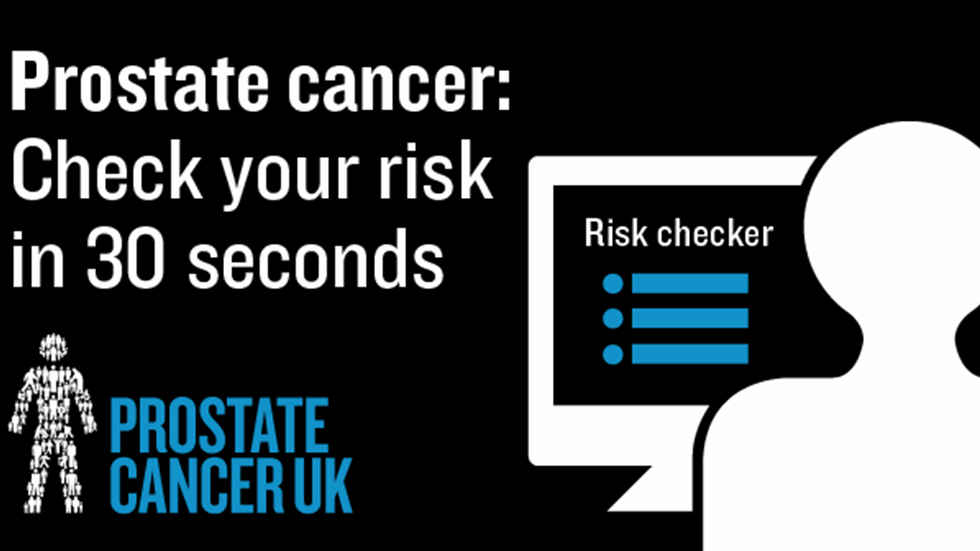
prostate cancer ad Check your risk in 30 seconds - Prostate Cancer UK

It's the most common cancer in men, but most men with early prostate cancer don't have symptoms. Find out about your risk now, Just click here or browse to https://prostatecanceruk.org/risk-checker.html and now that King Charles and Chris Hoy have both been diagnosed, unfortunately in Chris Hoy's case, terminal the BBC have released an article on the situation - well worth a read (https://www.bbc.co.uk/news/health-62755001).

NOT about prostate cancer.

TFT Men's Shed TFT Men's Shed TFT Men's Shed

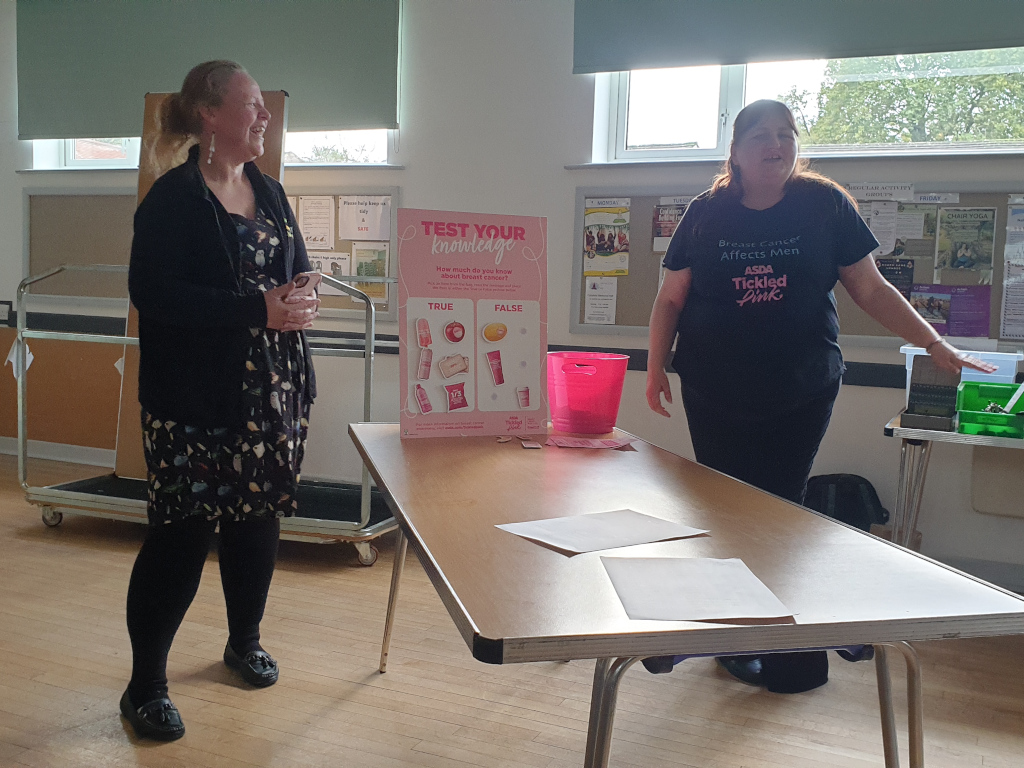
At one of our social meetings at Catisfield Heidi and Rachel from Asda gave a presentation about breast cancer, possibly sounds like a slightly off-plan subject for a Men's Shed but it seems to be coming more common, although this may just be down to better diagnosis.

It was good to know that under-wired bras are not a cause. That may sound trite but we were given a short quiz at the start and this was one of the questions. It shows how nearly everything about this subject is aimed at the fairer sex but it IS important that we are cognisant of the problem.

Breast Cancer UK have issued a fact sheet on the subject which I have attached here. Seriously, it is well worth a read.

My journey with bladder cancer

A man and more importantly possibly, his wife, agreed to give us a talk on how they dealt with the news that he was diagnosed with bladder cancer. He kindly offered to give this presentation back in July of last year but as ever, things got in the way and since then he has found that he now has prostate cancer as well. Luckily as with the bladder cancer, the prostate cancer has been found relatively early and his consultant is fairly confident treatment will resolve the issue.

As Chris H keeps telling us - we only have one chance at this life - so the more that we know about things like this, the better we will be prepared to act in a timely manner to make the best of this one.

The talk lasted about 45 and proved extremely interesting and certainly wove a very cautionary tale for us all.

Social Prescribing

social prescribing logo Fareham & Portchester Primary Care Network

Social Prescribing can improve your health and wellbeing.
Social Prescribing helps you to find out about services and other non-medical support to improve your mental and physical health, sense of wellness and independence. This service is available in your GP surgery through Fareham and Portchester Primary Care Network.

How does it work?
You can ask to have an appointment with a Social Prescriber or a member of your GP practice can refer you to the service.. A Social Prescriber will contact you by phone to discuss your referral and they may come and see you at home, invite you to come and meet them at the GP practice or arrange to meet you elsewhere. This will usually be within 7 working days.

A Social Prescriber is:

  • Someone to talk to in confidence.
  • Someone who is practical, helpful and will not judge you.
  • Someone who can help you find activities that may suit you and if needed can go with you to try them out.
  • Someone who can help you decide what you would like to do to feel healthier and happier.
  • Someone who can help you make appointments and access support for form filling and similar.
  • Someone who will give you support along the way.

Social Prescribers can look for services in your community such as:

  • Befriending and social clubs.
  • Counselling and support groups.
  • Volunteering, training and employment opportunities.
  • Access to specialist services.
  • Opportunities for education and learning.
  • Help to lead a healthier and more active lifestyle.
  • Ways to develop your own skills and interests.

Your Social Prescribers are:

  • Ann Mitchell: Fareham Centre Practice
  • Jennie Romicheva: Gudge Heath Lane Surgery
  • Marie Adams: Westlands Medical Centre
  • Karen Grimsdale: Portchester Health Centre
  • Contact us via your GP surgery or email: fgccg.social.prescribers@nhs.net

Fareham Men's Shed Footer